Age-appropriate and safe
In the first year, breast milk or formula remains the main drink, and babies under 12 months don't need separate snacks: dishes in the “snack” categories can be part of a meal. After 12 months, three main meals and up to two snacks are flexible guidelines. Avoid added salt and sugar.
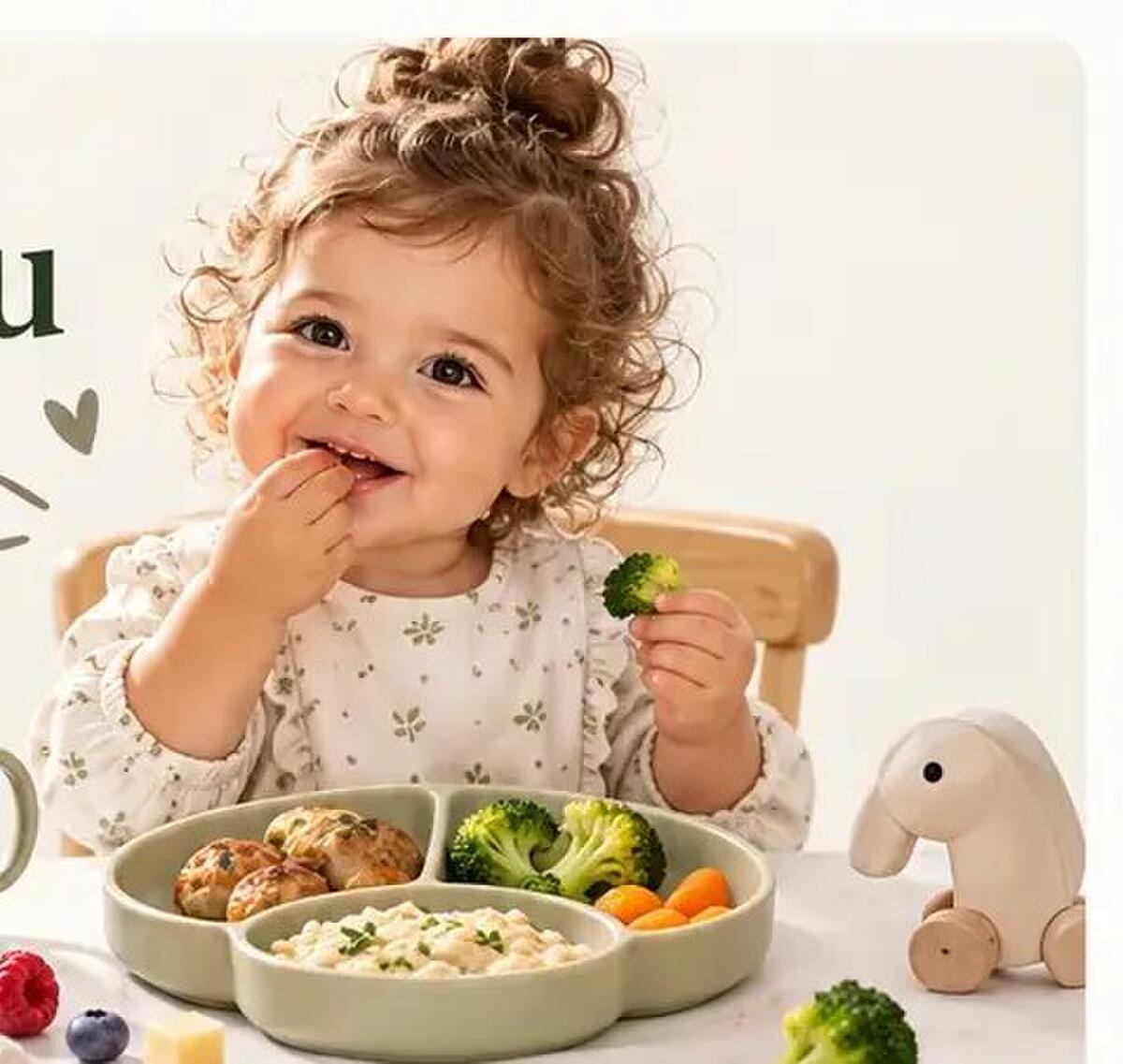
Always serve your child sitting down and supervised. Always adjust the texture: hard fruit is cooked until soft; grapes and cherry tomatoes are cut lengthways into quarters; avoid whole nuts, popcorn, hard pieces and spoonfuls of peanut butter.
Eggs must be cooked through. Use pasteurised dairy products. Check for known allergies: the ideas above may contain milk, egg, gluten, fish or soya. When there is a risk of allergy, introduce new foods as your doctor advises.
Portions are a guide and can be split into several small meals. For fish, an FDA guideline for ages 1–3 is about 28 g per serving, twice a week, from low-mercury species such as cod and salmon.
Sources on safety and nutrition: NHS · Starting solids from around 6 months · CDC · Preventing choking on food · NHS · Meal ideas · AAP · Snacks for toddlers · FDA · Fish for children.